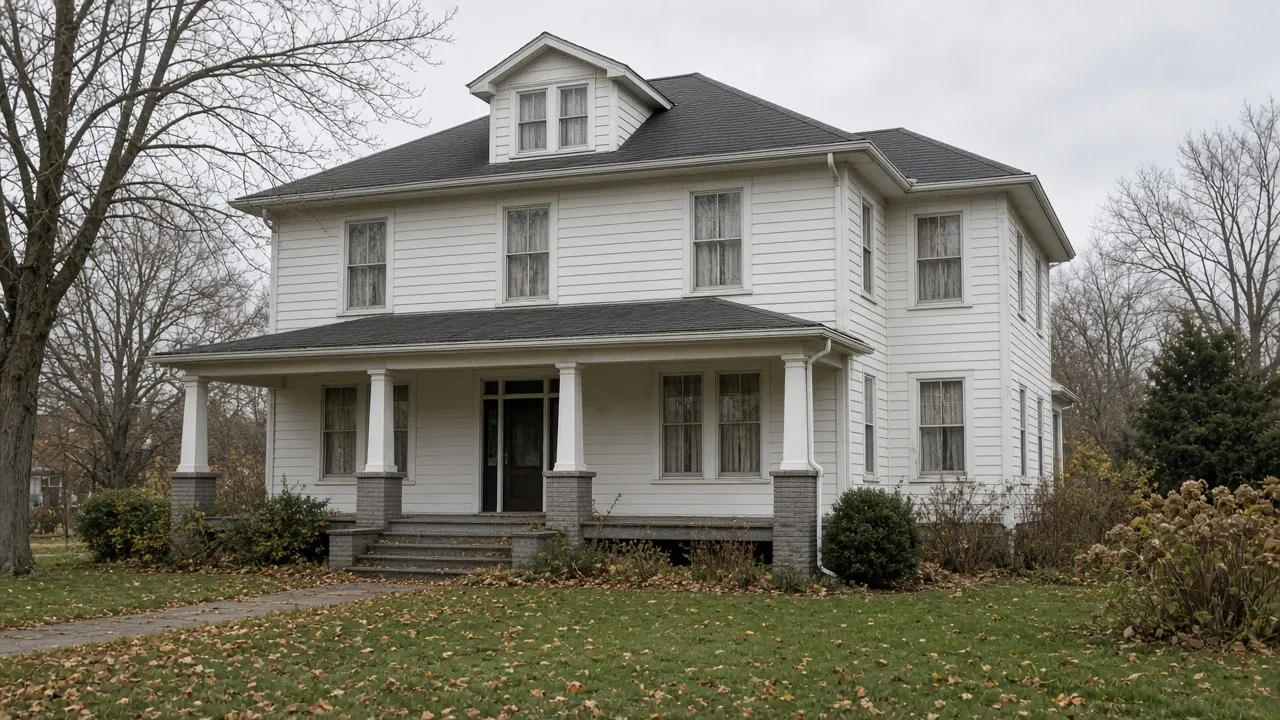
Insurance for a Home in an Estate
When a homeowner dies, their policy and their house both need attention. Tell us about the property and a licensed agent or partner may contact you.
- Homes left empty during probate
- Executors keeping coverage in place
- Homes being prepared to sell or rent
Estate home insurance request
For executors, administrators and heirs. Free.
Coverage
The questions estate homes raise
An empty house, a policy in someone else's name and a plan that may change. Each affects coverage.
How it works
How an estate home request works
Describe the home
Role, occupancy and plan.
Talk with an agent
A licensed agent or partner may follow up with questions.
Compare options
Existing policy, vacancy terms or a new policy.
Why it matters
An empty house is a different risk
Many homeowners policies limit or exclude certain losses once a home has been vacant longer than a period stated in the policy. Water leaks, vandalism and break-ins can go unnoticed for weeks.
Notify the insurer
Report the death and the occupancy.
Vacancy terms
Read the policy's vacancy clause.
Secure the home
Locks, lights and checks.
Next use
Sale, rental or moving in.
Estate home questions
Are you an insurance company or law firm?
Neither. EstateCoverage forwards requests to licensed agents and partners and does not give legal advice.
Is the request free?
Yes. Families and executors are not charged for a request.
Who will contact me?
An agent or partner licensed to write vacant or estate homes may contact you by phone, text or email, as you agreed.
I live in another state. Can I still insure the home?
Usually yes. Insurance is based on the property's location. Explain how the home will be checked.
The home needs repairs. Can it be insured?
Often, though serious damage may limit options. Describe the condition honestly.
Responsible for a home in an estate?
Tell us about the property and who lives there. A licensed agent or partner may contact you about coverage that fits.